
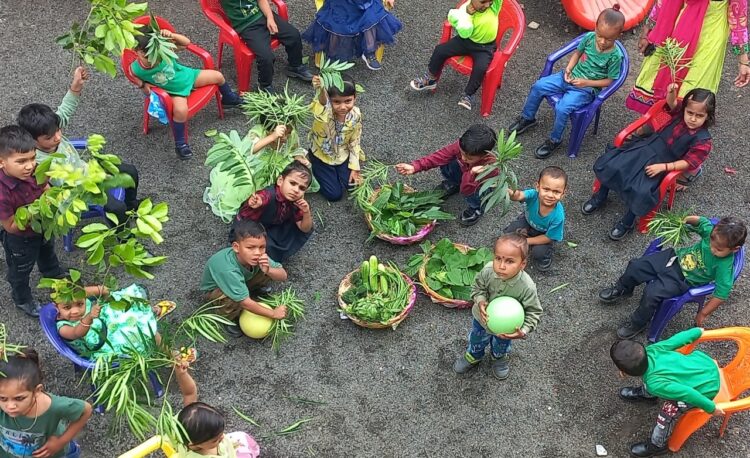
- Environmental Benefits – Trees absorb carbon dioxide, release oxygen, and improve air quality.
- Climate Control – Planting helps reduce global warming by lowering temperatures.
- Soil Conservation – Roots prevent soil erosion and maintain soil fertility.
- Biodiversity Support – Plants provide shelter and food for birds, insects, and wildlife.
- Water Conservation – Trees help retain water in the soil and support the water cycle.
- Health & Well-being – Green spaces reduce stress, promote relaxation, and improve mental health.
- Food & Resources – Trees provide fruits, vegetables, and medicinal benefits.
Planting trees and greenery plays a vital role in maintaining ecological balance and ensuring a healthier planet. Trees act as natural air purifiers by absorbing carbon dioxide and releasing oxygen, improving air quality and reducing the harmful effects of pollution. They also contribute to climate regulation by providing shade, cooling the environment, and reducing the risk of global warming. Moreover, tree roots prevent soil erosion, enhance soil fertility, and aid in water conservation by retaining groundwater and reducing the impact of floods.
On the other hand, yoga is rooted in ancient philosophies and aims to cultivate a balance of mind, body, and spirit. It focuses on flexibility, breathing techniques, and mental clarity. Yoga classes, whether they are restorative, vinyasa, or power yoga, offer a slower, more mindful pace compared to martial arts, allowing participants to connect with their bodies, reduce stress, and enhance overall well-being. While martial arts tend to have a more intense physical and competitive focus, yoga encourages relaxation, mindfulness, and self-awareness, offering an opportunity for individuals to calm their minds and stretch their bodies.